
Come as You Are, Worship as You Are
No matter where you are, online or in person, you are welcome at St. Paul’s
The contemplative rosary is a prayer practice that invites a gentle, meditative awareness of God’s presence. Open your heart to listening rather than striving. Join us as we enter silence, reflect on sacred mystery, and rest in God’s love with attentiveness and grace.
Monday 11 am
Contemplative Rosary
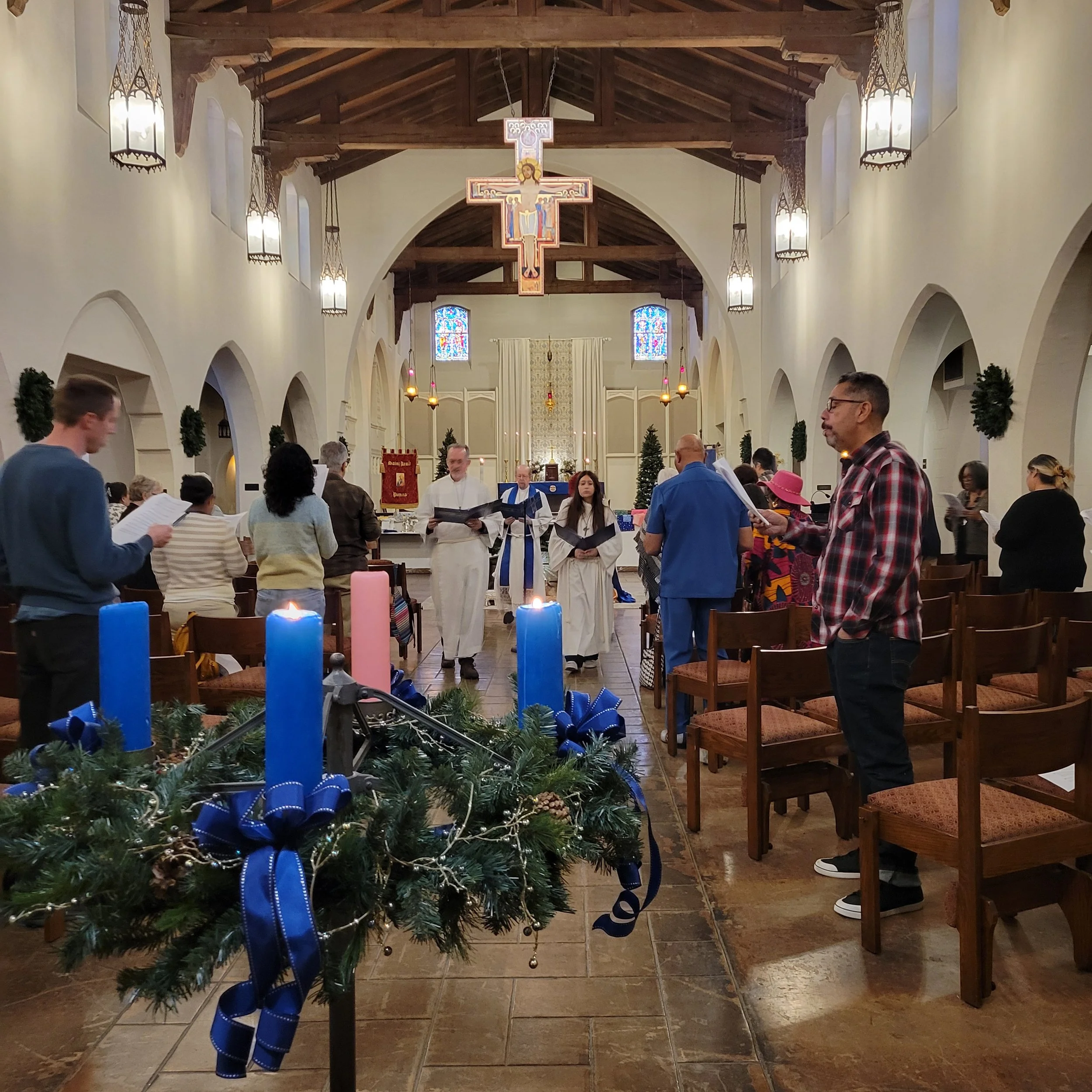
Mass in English
People come to St. Paul’s Mass for a blend of deep tradition, intellectual engagement, and radical inclusivity, finding joy in the familiar, beautiful liturgy, the "middle way" that respects diverse beliefs, excellent music, and a welcoming, questioning community focused on love, grace, and Christ's presence in the Eucharist, offering peace and spiritual nourishment.
Sunday 10 am
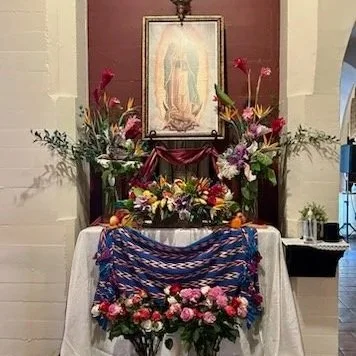
La Misa en Español
¡Ven y únete a nosotros!-
Únete a nosotros a las 11 am en la sala Sophia para la hora del café antes de la misa en español. Preguntas? llamar a Yvette Tellez -
yvetteydz@gmail.com
12:00 pm
Watch our Livestream here each Sunday at 10 AM
The livestream is also available on our YouTube channel, along with previous recordings.
Healing Mass
Every third Sunday, we celebrate a Healing Mass, with anointing and laying-on of hands for healing. The Healing Mass is characterized by a deep level of caring for one another. We chant Taize music, and sing spirituals and devotional hymns during this service.
We frequently have dialogue homilies and bibliodramas, where the members of our community offer their reflections on the Sunday readings.
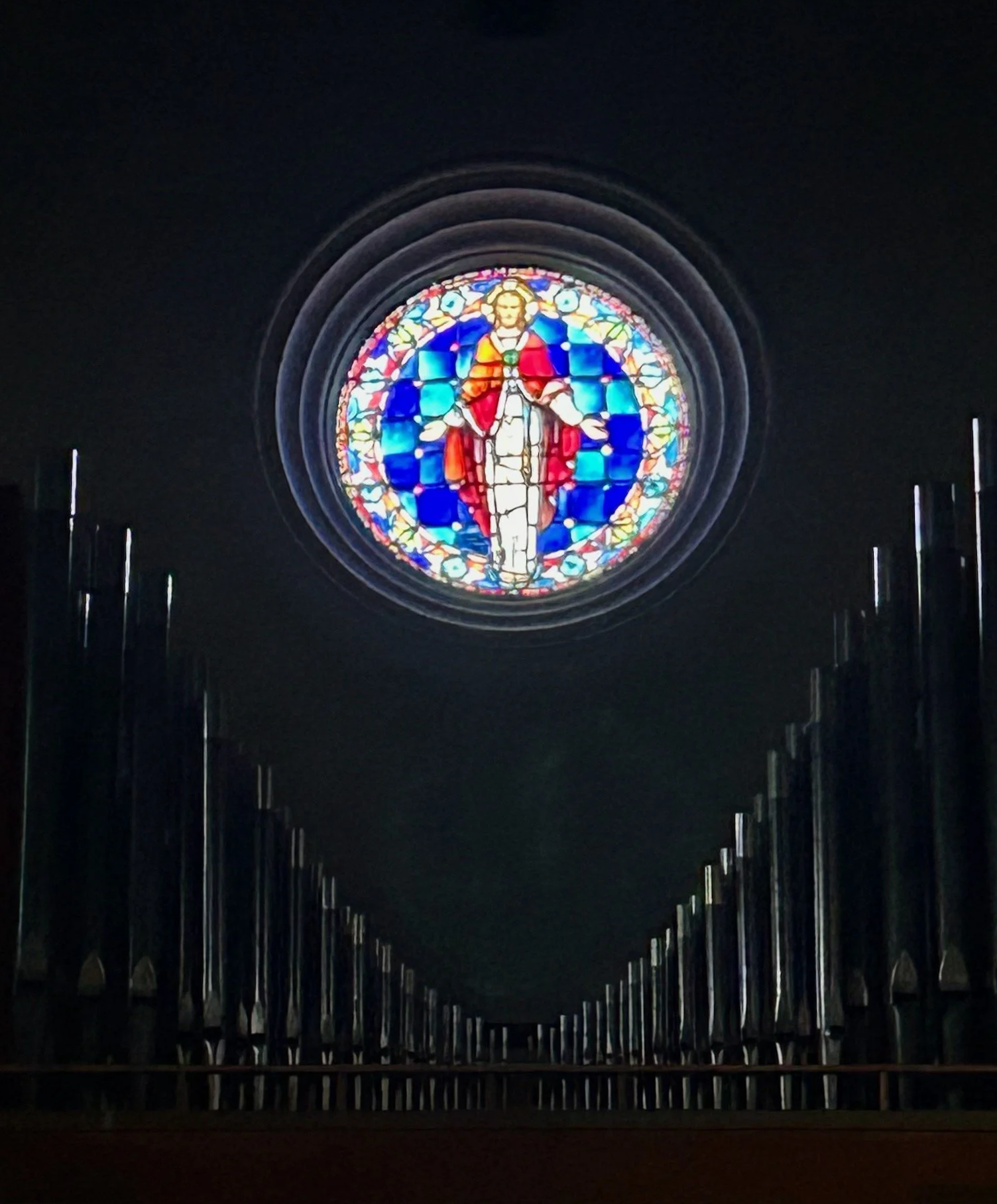
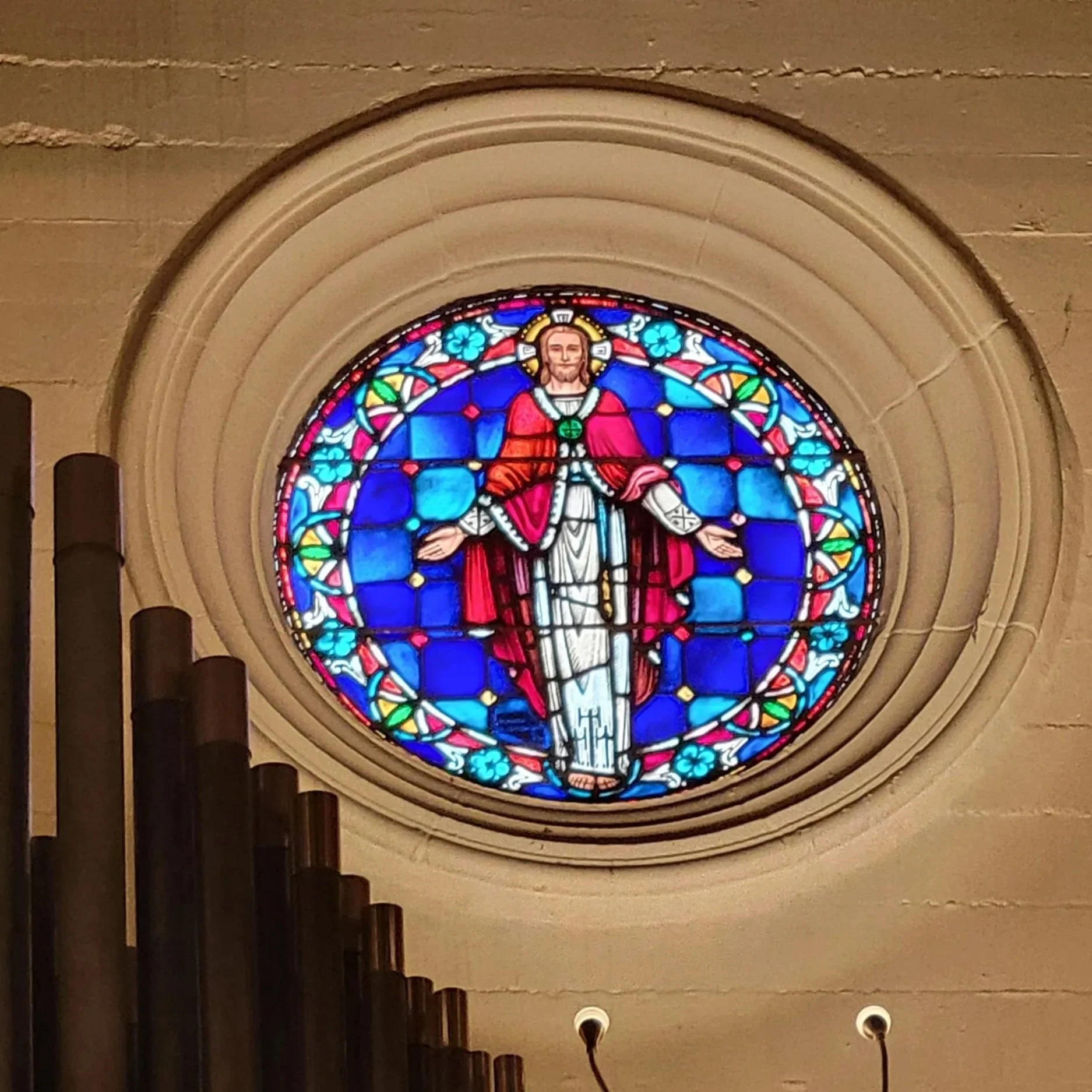
Our worship space is beautiful, full of color, and our community gathers in circles around the altar, the Baptismal font, and the preaching lectern. The colors of the icons, stained glass windows, and the San Damiano cross fill the worship space with warm hues of gold, brown, blue, and red to surround the worshipping community with feelings of warmth and reverent joy during our healing service
The Story of Our Liturgy
The beauty of our worship lies not only in the words we speak or the gestures we make, but in the deep well of meaning and tradition from which they flow. The more we understand the story behind our liturgy, the more fully—and faithfully—we are able to pray it.
So let us begin at the beginning, with a brief journey through the history of Anglican liturgy and why it continues to matter so deeply in our life together today.
When Anglicans speak of liturgy, we mean more than a worship service. We are speaking of a sacred pattern of prayer that shapes our faith, our theology, and our common life. The word liturgy comes from the Greek leitourgia, meaning “the work of the people.” Liturgy, then, is not something performed by clergy alone; it is the shared work of the whole Body of Christ. Together, we offer praise and thanksgiving, confess our sins, listen to God’s Word, and are nourished at Christ’s table.
The roots of Anglican worship reach back to the earliest days of the Church. The first Christians gathered, as the apostles did, for prayer, the reading of Scripture, the breaking of bread, and the sharing of fellowship. Over time, these gatherings took on a recognizable structure—psalms, prayers, readings, preaching, and the Eucharist. In Western Europe, including England, this developed into the Latin Mass, which shaped Christian worship for centuries.
A turning point came in the 16th century with the English Reformation. Under the guidance of Archbishop Thomas Cranmer, the Church of England sought to preserve the richness of the ancient tradition while grounding worship more deeply in Scripture and making it accessible to all people. The result was the first Book of Common Prayer in 1549—a revolutionary and beautifully written book that placed worship in the language of the people. For the first time, congregations prayed together in English, participating fully in the church’s common prayer.
Though revised many times since Cranmer’s day, the heart of the Book of Common Prayer remains the same. It offers worship that is both ancient and reformed, catholic and evangelical, reverent and pastoral. Whether in daily prayer, at the font, at the altar, or at the grave, Anglicans have long relied on these words to carry them through life’s most sacred moments.
In the Episcopal Church today, we use the 1979 Book of Common Prayer. It reflects our Anglican heritage while also embracing the liturgical renewal of the 20th century. It holds together traditional and contemporary language, centers our worship on the Eucharist, and calls us to live out our baptismal promises in the world.
Why does all of this matter?
Because in a world that often feels fragmented and hurried, our liturgy grounds us. It gives our lives a holy rhythm. It teaches us how to pray when words fail us. It connects us with Christians across generations and across the globe. And it reminds us that faith is not only about what we believe, but about how we worship, how we love, and how we live together as God’s people.